
 Photoshop
 Maya
Maya ZBrush
 Houdini
 Substance Painter
 Blender
 Unreal Engine
 Arnold
 Nuke
Nuke KeyShot
 V-Ray
V-Ray Marvelous Designer
 Marmoset Toolbag
 Mari
Mari Substance Designer
 3ds Max
 Redshift
 3DCoat
 After Effects
 Faceform Wrap
 Lightroom
 OctaneRender
 SpeedTree
 Daz 3D
 Modo
Modo Fusion
 RealityCapture
 Agisoft Metashape
 Gaea
Gaea Cinema 4D
 Gravity Sketch
 Premiere
 Procreate
 Clip Studio Paint
 SketchUp
 SketchBook
 Katana
 Natron
 Mudbox
 Quixel Bridge
 Quixel Megascans
 Quixel Mixer
 Substance 3D Modeler
 World Creator
 Yeti
Yeti Ziva VFX
 Mixamo
 Adobe Medium
 Quixel DDO
 xNormal
 Meshmixer
 Storyboard Pro
 DaVinci Resolve
 TreeIt
 World Machine
 Gaffer
 Corel Painter
 SynthEyes
 Krita
Krita Massive
 Materialize
 Unity
Unity Ornatrix
 PreForm
 Moi 3D
 animBot
 QuickTime
 ReCap
ReCap
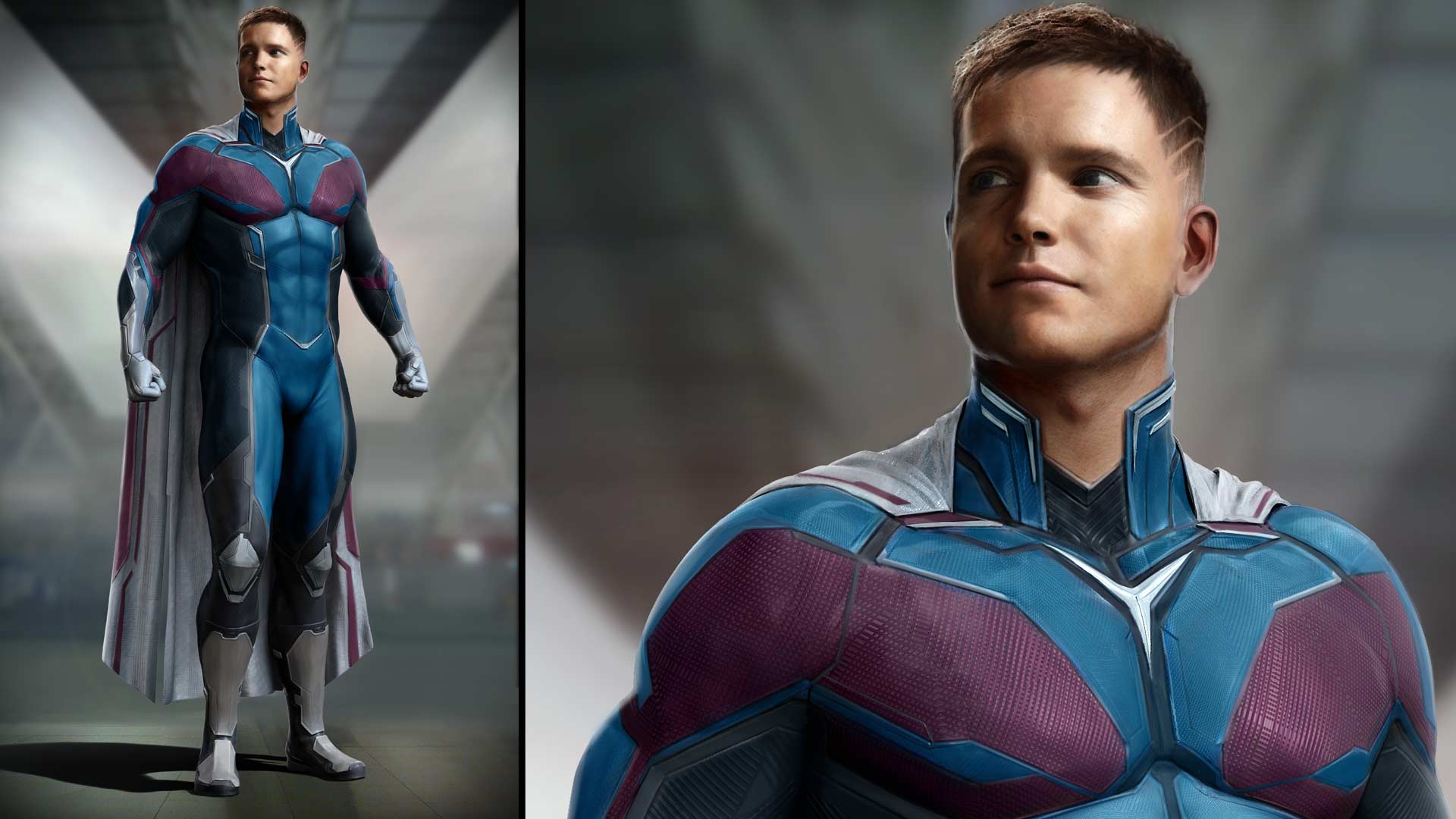
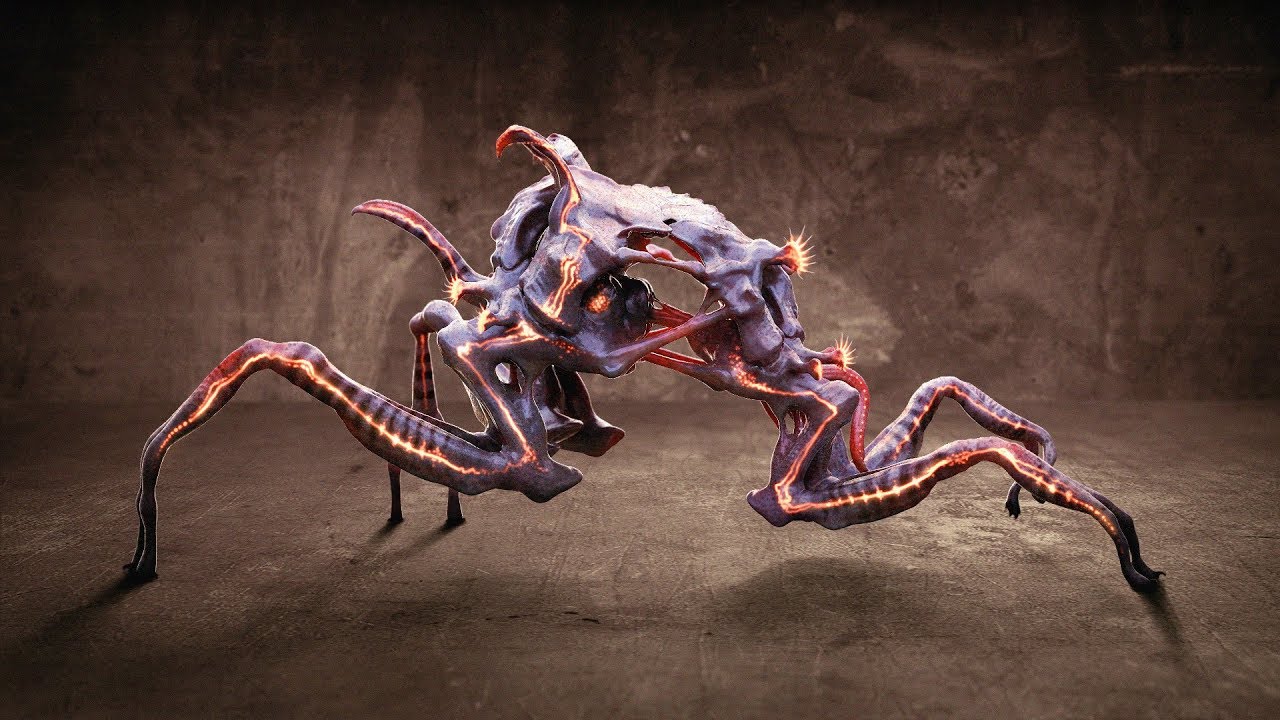
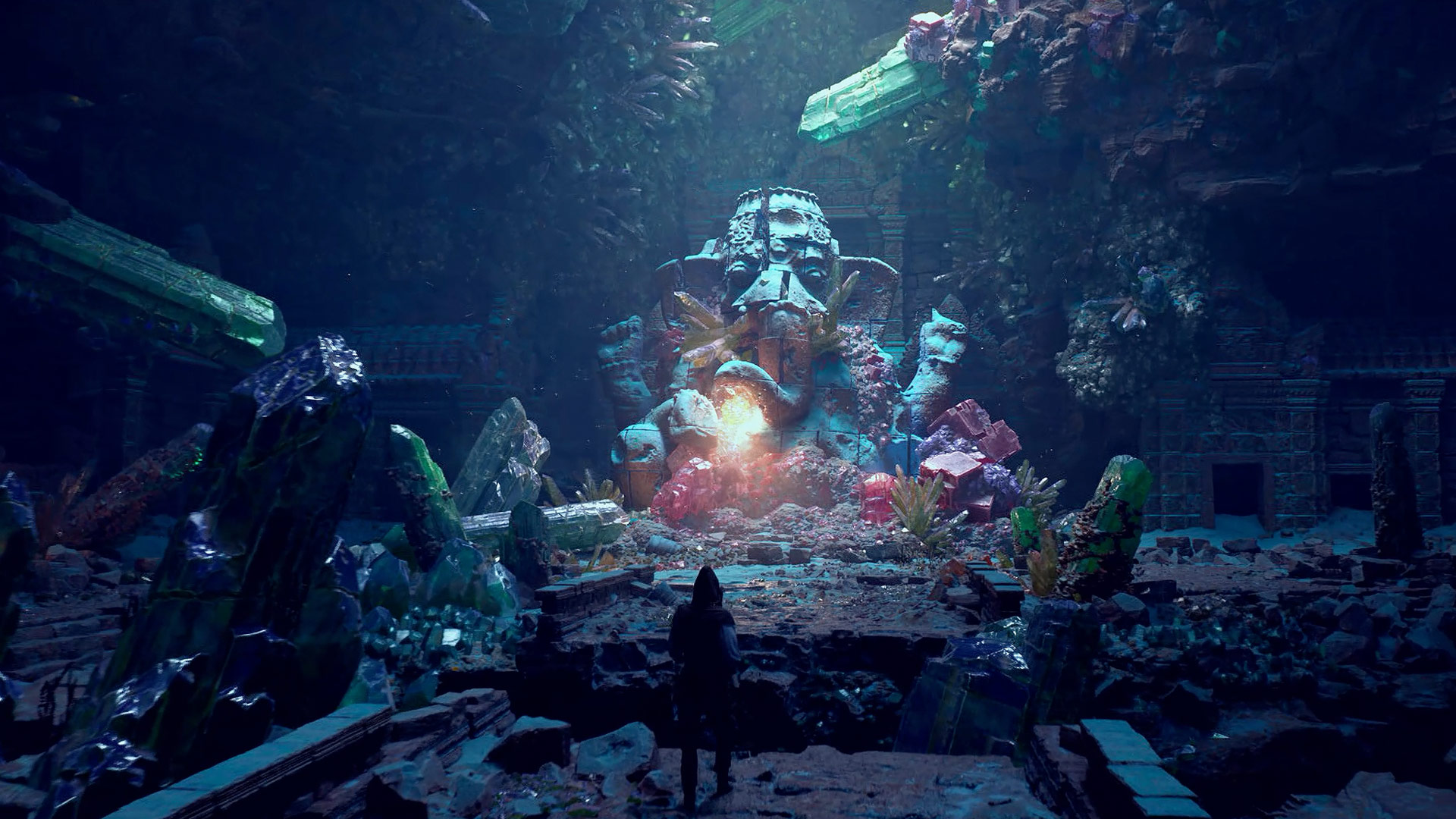









This workshop guides artists through the process of designing and sculpting a conceptual mech in VR using Adobe Substance 3D Modeler. ZBrush is used to fine-tune the model’s details, and the final presentation is taken care of in Blender.
Over the course of 7 hours, Corey Gooch, Visual Development Artist and 3D Specialist at Studio ARTILUS, discusses the fundamentals of sculpting in Substance 3D Modeler and walks through a series of videos detailing the creation of a carefully crafted autonomous mech. Beginner and intermediate-level artists will have the opportunity to learn Corey’s professional approach to reference collection and integration into Substance 3D Modeler. They will also explore all of the basics of its VR sculpting tools and discover detailed explanations of tools and techniques for achieving organic and mechanical forms. Corey also offers strategies for placing key design features and balancing functionality with form.
Moving into ZBrush, Corey demonstrates how to optimize the deforming components for rigging and texturing, and achieve the finer details that cannot (yet) be achieved in VR alone. Techniques for preparing your mech for animation, posing, and 3D printing considerations are also covered. In the final portion of the workshop, Corey jumps into Blender to provide a cursory and high-level overview of rigging, texturing, animating, and how to prepare models for 3D printing.
Throughout the workshop, Corey shares the thought processes behind why he designs the way he does and how his chosen tools work together to achieve his vision. Artists will gain helpful insight into Corey’s decision-making process, which focuses on functionality and effective problem-solving during a creative workflow. By completing this workshop, artists will have a solid grasp of at least 80 percent of the tools in Substance 3D Modeler and have sound insights into how to sculpt, refine, and bring their concepts to life using ZBrush and Blender.
Corey has provided his .smod raw sculpt file and ZBrush .cfg file as a downloadable resource with this workshop.
15 Lessons
Corey introduces his workshop, which showcases an industry-tested workflow for creating professional sci-fi concept art and 3D assets. By focusing on Substance Modeler while integrating complementary tools, he aims to demystify the process of complex mechanical design. His real-world engineering experience, combined with years of concept art practice, positions him to offer valuable insights into achieving convincing sci-fi aesthetics.
Duration: 2m 47s

This lesson establishes an efficient pipeline that combines VR and traditional 3D tools to leverage their respective strengths. By starting with intuitive VR sculpting for rapid concept development and spatial understanding, then moving to screen-based tools for precision work and technical production, Corey demonstrates an efficient workflow that balances creative freedom with technical requirements. His approach enables concept artists to work more naturally during ideation while maintaining professional-quality output in the final stages.
Duration: 11m 13s

This lesson emphasizes that successful mechanical design stems from thoughtful research and planning rather than jumping straight into modeling. Corey's approach balances technical understanding with artistic creativity, demonstrating that moderate mechanical knowledge, combined with careful observation of real-world examples, produces more authentic designs than either pure imagination or exhaustive technical expertise alone. By organizing references systematically and planning design decisions in advance, artists can create functional-looking sci-fi assets that feel grounded in reality while remaining creative and original.
Duration: 13m 55s

This lesson establishes that, while Substance 3D Modeler offers both desktop and VR workflows, each has distinct limitations and purposes. The desktop interface primarily supports file management, importing reference images, and rendering, while the actual modeling work is best performed in VR. Understanding these hardware requirements and workflow divisions is essential before beginning serious work in Substance Modeler, as certain critical functions are oddly split between the two interfaces rather than being available in both environments.
Duration: 12m 50s

Substance Modeler offers a powerful VR-native approach to conceptual 3D sculpting with unique advantages over traditional desktop software, particularly in the freedom of movement and spatial manipulation. While the learning curve involves understanding multiple tool parameters and navigation systems, the software provides extensive control over voxel-based geometry creation and modification. Corey’s emphasis on the legacy interface and practical demonstrations of each tool's behavior provides a solid foundation for beginner users. He also discusses how some features, such as the flatten tool, can be problematic, and how certain interface elements (such as scoping sensitivity) may need refinement by the development team.
Duration: 47m 53s

This lesson demonstrates that Adobe's VR-sculpting software offers powerful tools for 3D creation, but understanding the performance implications of different features is crucial. The distinction between destructive and non-destructive workflows, particularly with symmetry versus repetition modes, can significantly impact both creative flexibility and system performance. Customizing controller bindings allows artists to maintain their preferred workflows despite software updates, making the transition from other platforms smoother and more efficient.
Duration: 38m 33s

This lesson provides an authentic look at the iterative, problem-solving nature of 3D concept sculpting in VR. Corey's process emphasizes exploring shapes through direct manipulation rather than precise planning, allowing the design to evolve organically while maintaining focus on silhouette and overall appeal. His teachings highlight that, ultimately, prioritizing visual impact during the conceptual phase while keeping practical considerations, such as 3D printing requirements, in mind for later refinement is the hallmark of a professional artist.
Duration: 40m 46s

This lesson showcases a professional hard-surface modeling workflow that successfully bridges digital design and physical manufacturing. Corey demonstrates how thoughtful planning around 3D printing constraints, combined with an iterative design process and systematic detail layering, can produce a complex mechanical model that is both visually compelling and practically producible. His emphasis on creating functional, believable components while maintaining artistic flexibility provides a valuable framework for anyone working on mech designs or printable models.
Duration: 33m 22s

This lesson demonstrates a practical, iterative approach to hard-surface modeling in VR, emphasizing that complex mechanical designs are built from simple foundations through patient manipulation and refinement. Corey's willingness to show mistakes, crashes, and problem-solving (like fixing symmetry issues) provides valuable insight into the real workflow of 3D modeling. Rather than pursuing perfection in Substance Modeler, his approach focuses on establishing solid forms and silhouettes that will be further refined in ZBrush, showing how different software can complement each other in a production pipeline.
Duration: 27m 1s

This lesson demonstrates advanced VR sculpting techniques for creating a highly detailed mechanical creature using functional design thinking. Corey balances artistic creativity with practical considerations, constantly evaluating which details serve the final presentation versus which represent wasted effort. His workflow demonstrates effective use of instancing, Boolean operations, and sculpting tools to build complex mechanical systems that feel plausible and purposeful, setting up the model for final detailing and eventual export to ZBrush.
Duration: 34m 51s

This comprehensive sculpting lesson demonstrates a professional workflow that balances artistic vision with practical considerations for 3D printing and rendering. Corey's approach emphasizes thoughtful, functional design where even small details have a theoretical purpose, from magnetic release mechanisms to safety features. His timelapse showcases proven techniques using booleans, primitives, and voxel-based sculpting. This brings the project to a point where it is ready for refinement in ZBrush and final texturing in Blender, with careful consideration of how the physical model will be printed, assembled, and rigged for animation.
Duration: 42m 1s

This lesson demonstrates a practical pipeline for moving complex hard-surface models from Substance Modeler into ZBrush for final detailing. Corey's key to success is aggressive decimation during export, careful geometry management, and strategic use of ZBrush's sculpting tools to add details that would be difficult or impossible in Substance Modeler. While his process requires patience, particularly during 30-minute export operations and careful geometry cleanup, it enables the creation of highly detailed models suitable for both rendering and 3D printing.
Duration: 46m 4s

This comprehensive ZBrush lesson demonstrates a professional workflow for creating production-ready mechanical assets that balance visual detail with technical requirements. Corey explains the importance of the projection history technique, which allows artists to preserve intricate sculpted and painted details while creating topology suitable for rigging and animation. By mastering these techniques, particularly the interplay between high-poly detailing, vertex color preservation, and smart decimation, artists can create complex models that are both visually impressive and functionally practical for use in 3D rendering or printing workflows.
Duration: 42m 41s

This lesson demonstrates an advanced production workflow for creating game-ready or animation-ready mechanical assets in Blender. Corey's emphasis is on efficiency through procedural techniques, smart file organization, and strategic use of high-to-low poly baking to balance visual quality with performance. While he is not an expert in every area (rigging, animation), his workflow represents practical solutions developed through years of experience, resulting in a functional pipeline for complex hard-surface character creation.
Duration: 34m 39s

This comprehensive final lesson demonstrates a professional 3D artist's workflow from digital model to physical print and animation. Corey emphasizes practical efficiency over perfectionism, particularly by leveraging organizational systems, strategic shortcuts, and hardware investments to maximize output quality while minimizing time investment.
Duration: 21m 48s

Primary tools
For this workshop you’ll need:


* Note that these programs and materials will not be supplied with the course.
Project Files
When you download the workshop files, you'll get access to Corey Gooch's complete project setup with custom UI configurations and scene files. Inside, you'll find:
- Configuration files (.cfg) – Pre-built UI setups for both 4K and 1080p displays, so you can match your screen resolution
- Scene/project file (.smod) - The main workshop project file containing the complete scene setup and settings
- Setup notes (.txt) - Corey's personal tips and instructions to help you get started with the project
Skills Covered
Who’s this Workshop for?
This workshop is designed for beginner and intermediate-level artists looking to expand their 3D sculpting skills into VR workflows. Concept artists, visual development artists, and 3D specialists interested in mechanical design will find this particularly valuable for professional development.
Game developers, toy designers, and artists interested in 3D printing will also benefit significantly from this comprehensive approach. The workshop provides practical insights into industry-standard workflows that combine cutting-edge VR sculpting with traditional refinement techniques for creating production-ready mechanical designs.
Learning Outcomes
By completing this workshop, artists will master the majority of Substance 3D Modeler's tools and gain professional insights into integrated sculpting workflows.
Key skills include:
- How to collect and integrate reference materials effectively within Substance 3D Modeler's VR environment.
- How to utilize VR sculpting tools for creating both organic and mechanical forms efficiently.
- How to balance functional design elements with aesthetic form in conceptual mech development.
- How to optimize models in ZBrush for rigging, texturing, and animation preparation workflows.
- How to transfer models between software platforms while maintaining design integrity and detail.
- How to prepare sculpted models for 3D printing with proper technical considerations and constraints.
- How to apply professional decision-making processes that prioritize functionality throughout the creative workflow.


