
 Photoshop
 Houdini
 Unreal Engine
 Blender
 Arnold
 Nuke
Nuke KeyShot
 V-Ray
V-Ray Marmoset Toolbag
 Substance Designer
 Mari
Mari Marvelous Designer
 3ds Max
 3DCoat
 After Effects
 Faceform Wrap
 Lightroom
 OctaneRender
 SpeedTree
 Daz 3D
 Agisoft Metashape
 Fusion
 Modo
Modo RealityCapture
 Gaea
Gaea Cinema 4D
 Gravity Sketch
 Premiere
 Procreate
 Clip Studio Paint
 SketchUp
 SketchBook
 Katana
 Krita
Krita Natron
 Mudbox
 Quixel Bridge
 Quixel Megascans
 Quixel Mixer
 Substance 3D Modeler
 World Creator
 Ziva VFX
 Mixamo
 Adobe Medium
 Quixel DDO
 Meshmixer
 Storyboard Pro
 DaVinci Resolve
 TreeIt
 Gaffer
 Corel Painter
 World Machine
 SynthEyes
 Massive
 Materialize
 Unity
Unity Ornatrix
 PreForm
 Moi 3D
 animBot
 QuickTime
 ReCap
ReCap xNormal
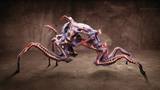








In this video series, Eric Keller demonstrates his process for designing, modeling and texturing an accurate and realistic jumping spider. Starting from a simple block out in Pixologic's ZBrush, Eric shows you his pipeline for sculpting accurate details, painting textures and materials in Substance Painter, creating a working topology and UVs in Maya, generating realistic fur using Peregrine Lab's Yeti, and setting up lighting and rendering properties using Redshift for Maya.
Along the way Eric discusses important aspects of spider anatomy and biology that should inspire and inform creature designers and modelers. He demonstrates lighting and compositional techniques based on his study of insect and spider macro photography. The video series is designed for intermediate to advanced CG artists looking to expand their skill set and their knowledge of spiders as well as incorporating Peregrine Labs Yeti fur software into their own models. Example files are provided.
25 Lessons
Eric Keller introduces his workshop series, which combines technical mastery of multiple CG software tools with scientific accuracy and research. Eric encourages artists to look beyond traditional portrayals of subjects and to engage deeply with scientific resources and experts, demonstrating that thorough research and artistic exploration can lead to unexpected creative directions and more meaningful work.
Duration: 2m 46s

This comprehensive introductory lesson establishes both the biological foundation and the artistic approach for creating an anatomically accurate model of a jumping spider. Eric's passion for arachnid diversity is clear, encouraging artists to move beyond overused spider references and appreciate the remarkable variety, beauty, and harmlessness of these creatures. The series aims to help creature designers develop more interesting, biologically informed spider-like characters while fostering appreciation for these often-misunderstood animals.
Duration: 28m 33s

This lesson establishes the foundational workflow for creating a jumping spider in ZBrush by blocking out basic anatomy with Z-spheres. Eric works with speed and looseness over precision at this stage, saving refinement for DynaMesh and subdivision techniques. Eric explains how to treat Z-spheres as a rough armature and to always convert them to a sculptable mesh before working directly on the preview.
Duration: 14m 16s

This lesson highlights an efficient workflow for converting basic armatures into detailed organic models in ZBrush. Eric emphasizes speed and flexibility during the blocking stage, focusing on correct proportions and organization rather than detail. By systematically splitting the model into subtools and using reference images aligned across multiple views, the foundation is established for more detailed sculpting work in subsequent stages. This approach demonstrates professional modeling practices, including frequent saves, organized subtool structure, and use of newer ZBrush features to streamline the process.
Duration: 14m 57s

In this lesson, Eric emphasizes that efficient 3D modeling isn't just about sculpting techniques but strategic workflow decisions made early in the process. By splitting models into subtools before detailed sculpting begins and working in iterative cycles across all parts, artists can avoid repetitive work and maintain a manageable scope even on complex organic subjects. Eric's approach demonstrates that professional modeling often involves balancing anatomical accuracy with available reference material and that customizing software interfaces to match personal workflow can significantly improve both efficiency and enjoyment.
Duration: 23m 59s

This lesson explains a methodical approach to modeling complex anatomical structures by breaking them into manageable segments and using ZBrush's polygroup features effectively. Eric emphasizes the importance of studying multiple reference images from related species and maintaining flexibility during the blocking out stage before adding detail. By combining ZBrush techniques with careful anatomical observation, the spider model gradually transforms from basic shapes into a recognizable arachnid form, setting the foundation for more detailed work in subsequent chapters.
Duration: 19m 31s

This lesson walks through an efficient workflow for creating complex, multi-segmented appendages by quickly blocking out forms at low resolution, using polygroups for organization, and duplicating rather than recreating identical elements. Eric emphasizes that working fast and loose in the early stages prevents frustration and often leads to stronger results than trying to perfect details prematurely.
Duration: 29m 8s

In this lesson, Eric demonstrates that creating an accurate 3D model of a specific spider species requires careful observation, biological knowledge, and patient iteration, rather than relying on technical shortcuts. Eric explains that ZBrush, like any artistic tool, requires skill and repeated refinement to achieve convincing results. Success comes from balancing scientific accuracy with artistic interpretation, while maintaining focus on the overall form rather than getting lost in premature detail work that will inevitably need revision.
Duration: 22m 51s

This lesson showcases the anatomical refinement phase of creating a 3D jumping spider, highlighting the importance of accurate proportions and species-specific features. Eric demonstrates how to systematically work through each body part while managing the challenge of interpreting fuzzy reference photos to create clean, anatomically correct geometry. Even though these details may be obscured by fur in the final render, Eric's thorough approach ensures biological accuracy and provides valuable insights into spider anatomy.
Duration: 18m 2s

This comprehensive retopology lesson emphasizes that proper preparation and clean topology are foundational to successful 3D modeling projects. The time invested in creating organized, efficient geometry pays dividends later, particularly for tasks such as UV mapping, detail sculpting, and fur creation. Eric's methodical approach and time-saving techniques demonstrate that retopology is an essential skill that directly impacts the quality and flexibility of the final 3D model.
Duration: 28m 59s

Proper UV layout and topology form the critical foundation for all subsequent work, sculpting in ZBrush, texture painting, fur application, and rendering. Eric explains why investing time in creating clean, well-organized UVs is worthwhile and why it pays off throughout the production pipeline. Problems caught and fixed during the UV stage are exponentially easier to resolve than issues discovered later during texturing or displacement mapping, making thorough quality checking an essential final step.
Duration: 23m 56s

This comprehensive sculpting lesson demonstrates how to create believable organic surface detail for a heavily-furred creature, where most sculpted work will be subtle in the final render. Eric's approach prioritizes breaking up manufactured-looking smoothness to achieve natural, cell-like surfaces that interact with light naturally, rather than creating highly visible sculptural detail. This foundation will support subsequent stages of texture painting and fur generation, where sculpted details will influence specular response and roughness mapping under dense hair coverage.
Duration: 35m 21s

This lesson outlines a solid workflow for texture painting and preparatory work on a complex organic model destined for fur rendering. The techniques demonstrated through custom brush creation and the strategic use of the extractor brush offer efficient solutions for painting large surface areas while maintaining organic variation. By separating fur color from exoskeleton color and strategically planning where patterns will emerge from density rather than color, Eric establishes a pipeline that streamlines the remaining stages of texturing and rendering this detailed jumping spider model.
Duration: 20m 52s

During the lesson, Eric sheds light on a workflow for transitioning a sculpted ZBrush model into production-ready texture and displacement maps. Eric explains why careful organization and naming conventions are critical when moving assets between multiple 3D applications. The resulting texture and displacement maps preserve sculpted detail and support the fur rendering and texture painting phases in Maya and Substance Painter respectively.
Duration: 24m 42s

This lesson emphasizes the technical pipeline for moving a detailed sculpt from ZBrush to Substance Painter while maintaining quality and workability. The main idea is the importance of proper preparation: organizing geometry, decimating, and baking maps correctly before diving into creative texturing. Eric demonstrates why successful texture work on organic subjects requires both technical proficiency and artistic judgment, particularly when reference images show natural variation.
Duration: 23m 16s

This lesson examines an efficient, non-destructive approach to texturing complex organic characters in Substance Painter. By establishing a flexible material system using masks and layers, Eric creates realistic subsurface scattering effects and color variations that can be easily adjusted and replicated across multiple texture sets. Eric shows the importance of working underneath planned fur coverage while maintaining visual interest, demonstrating professional production techniques for creating believable creature assets.
Duration: 22m 45s

In this lesson, you’ll learn a practical but efficient approach to texturing a complex organic subject in Substance Painter. Eric prioritizes creating a flexible layer structure that allows for easy future adjustments rather than overly complex setups. With all textures exported at 4K resolution and properly named for pipeline integration, the project is ready to move into the posing phase in ZBrush, followed by fur creation and rendering.
Duration: 17m 39s

During the lesson, Eric explains why creating photorealistic CG creatures is fundamentally a learning exercise rather than an attempt to compete with photography. The painstaking process of posing each leg segment develops deep anatomical understanding and compositional principles that benefit creature design, scientific illustration, and CG lighting. Eric also covers the benefits of gaining intimate knowledge of spider physiology and learning CG techniques that serve broader creative goals.
Duration: 20m 16s

This lesson provides a solid foundation for creating photorealistic insect renders by applying real-world macro photography lighting techniques to a 3D environment. Eric emphasizes the importance of proper scene organization and references professional photographers to inform lighting decisions, demonstrating how to replicate the characteristics of quality macro photography. By establishing this lighting and basic material setup first, the groundwork is laid for adding more complex elements in subsequent stages of the project.
Duration: 20m 27s

This technical breakdown demonstrates a methodical approach to creating realistic shaders for an organic creature, emphasizing the importance of geometry density to support displacement detail. Eric’s workflow prioritizes displacement setup, uses extensive texture maps from Substance Painter with proper UDIM configuration, and offers a simple way to achieve the look of spider exoskeletons.
Duration: 24m 28s

This lesson provides a comprehensive foundation for creating realistic fur on 3D models using the Yeti software, with a specific focus on the biological accuracy required for jumping spider hair. The workflow emphasizes proper planning using density maps, understanding node-based connections in the graph editor, and maintaining flexibility for future adjustments. By the end of this lesson, the basic hair setup for the spider's abdomen is complete.
Duration: 24m 25s

This lesson demonstrates that creating realistic creature fur requires iterative refinement and understanding of multiple interconnected systems. Eric starts with simpler elements, such as the abdomen, to master Yeti's fundamentals, before tackling more complex areas. While a conventional approach attempts to combine both hair types in a single network, Eric explains why separating them into distinct fur nodes with individual shaders provides better artistic control and establishes workflow principles that will be essential for more challenging grooming work on other parts of the spider.
Duration: 24m 59s

In this lesson, Eric demonstrates an advanced workflow for creating complex, multi-layered fur systems in Maya using Yeti. Realistic fur often requires separating different hair types into their own fur nodes, each with its own shader. By using smart techniques such as copying node networks, creating presets, and maintaining clear naming conventions, artists can manage this complexity while achieving the artistic control needed for photorealistic results. Eric explains why the initial setup time investment pays off in flexibility for final adjustments.
Duration: 23m 40s

Throughout the lesson, you’ll discover that creating convincing creature fur requires both technical knowledge and artistic patience. The key to success lies in careful observation of reference material, systematic organization of multiple fur systems, and willingness to iterate based on species-specific characteristics. By combining proper density control, strategic groom placement, and periodic breaks for a fresh perspective, artists can transform disappointing initial results into convincing final renders that capture the unique personality and appeal of their subject.
Duration: 32m 29s

In this final lesson, Eric Keller emphasizes the importance of completing the lighting and camera setup before final fur tweaking, allowing for real-time feedback during adjustments. Eric advocates for a more nuanced appreciation of spiders in creature design, moving beyond stereotypical, menacing portrayals to highlight their beneficial nature and intricate beauty. Through careful attention to technical details such as proper focal lengths, automated focus systems, and layered AOV compositing, the final renders achieve a professional, photorealistic quality that honors the jumping spider's appearance while maintaining artistic appeal.
Duration: 27m 56s

Primary tools
For this workshop you’ll need:


* Note that these programs and materials will not be supplied with the course.
Project Files
When you download the workshop files, you'll receive access to a complete spider creature project using Maya and ZBrush workflows. Inside, you'll find:
- Maya project files (.ma) – Complete scene setups including the final spider model, Yeti fur systems, and various project stages
- ZBrush sculpting files (.ztl, .zbp) - High-resolution spider sculpts, including posed versions, ready for detailing and refinement
- Texture maps & materials (.png, .exr, .psd) - Comprehensive texture sets including displacement maps, normal maps, metallic surfaces, fur color maps, and ambient occlusion passes
- Yeti fur system assets - Complete fur setup files including fur attribute maps, shadow maps, and styling data for realistic spider hair and texture details
Skills Covered
Who’s this Workshop for?
Eric Keller's workshop is intended to support intermediate to advanced CG artists, creature designers, and 3D modelers who want to enhance their realistic creature creation skills. Artists should have foundational knowledge of ZBrush, Maya, and basic texturing workflows to fully benefit from the advanced techniques shown.
VFX professionals, game artists, and animation studios working on creature-heavy projects will find particular value in Eric's comprehensive pipeline approach. The workshop also benefits artists looking to integrate Yeti fur software into their workflow, while learning scientifically informed creature design principles through detailed spider anatomy studies.
Learning Outcomes
Once this workshop is complete, artists will have developed complete pipeline knowledge for creating hyper-realistic creatures using industry-standard software and biologically informed design principles.
Key skills include:
- How to sculpt anatomically accurate creature details using advanced ZBrush modeling techniques.
- How to create efficient topology and UV layouts for complex organic creatures in Maya.
- How to paint realistic textures and materials for creatures using Substance Painter workflows.
- How to generate convincing fur systems using Peregrine Labs Yeti for organic models.
- How to set up professional lighting and rendering using Redshift for photorealistic results.
- How to apply macro photography principles to enhance creature presentation and composition.
- How to incorporate biological research into creature design for enhanced realism and accuracy.


