
 Photoshop
 Maya
Maya ZBrush
 Houdini
 Unreal Engine
 Substance Painter
 Blender
 Arnold
 Nuke
Nuke KeyShot
 V-Ray
V-Ray Marmoset Toolbag
 Substance Designer
 Mari
Mari Marvelous Designer
 3ds Max
 3DCoat
 Redshift
 After Effects
 Faceform Wrap
 Lightroom
 OctaneRender
 SpeedTree
 Daz 3D
 Agisoft Metashape
 Fusion
 Modo
Modo RealityCapture
 Gaea
Gaea Cinema 4D
 Gravity Sketch
 Premiere
 Procreate
 Clip Studio Paint
 SketchUp
 SketchBook
 Katana
 Krita
Krita Natron
 Mudbox
 Quixel Bridge
 Quixel Megascans
 Quixel Mixer
 Substance 3D Modeler
 World Creator
 Yeti
Yeti Ziva VFX
 Mixamo
 Adobe Medium
 Quixel DDO
 Meshmixer
 Storyboard Pro
 DaVinci Resolve
 TreeIt
 Gaffer
 Corel Painter
 World Machine
 SynthEyes
 Massive
 Materialize
 Unity
Unity Ornatrix
 PreForm
 Moi 3D
 animBot
 QuickTime
 ReCap
ReCap xNormal













10 Lessons
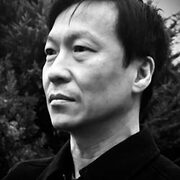
Eddie Bennun's masterclass offers insights from a seasoned industry professional who has successfully navigated 15 years in AAA game development. Eddie's emphasis on passion as the foundation for career longevity, combined with systematic approaches to composition, storytelling, and production techniques, provides a comprehensive framework for aspiring game artists. The lessons will deliver practical knowledge derived from real-world experience on major franchise titles, focusing on the principles and workflows that create memorable, immersive game universes.
Duration: 6m 51s

Understanding shape language is fundamental to effective concept art and game design. Eddie explains how intentionally manipulating basic shapes and their combinations can guide player emotions and communicate narrative elements without words. The key takeaway for artists is to build credible designs on real-world foundations and strategically use shape psychology to reinforce the intended atmosphere, difficulty progression, or character identity within the game world.
Duration: 8m 28s

Eddie explains why effective composition is a fundamental storytelling tool in concept art and game design, and how it extends beyond aesthetic appeal. By understanding how different compositional structures evoke specific emotional responses and managing visual information across foreground, middleground, and background planes, artists can create more engaging, readable, and narratively compelling environments. The key is balancing variety and contrast while maintaining clarity and ensuring that compositional choices actively support the scene's intended mood and story.
Duration: 10m 32s

By balancing artistic creativity with logical credibility and filling spaces with purposeful details that tell micro stories, environment artists can create worlds that feel genuinely alive and leave lasting impressions on players. The goal is not historical accuracy or realism for its own sake, but creating entertaining, believable spaces that enhance the overall gaming experience. Eddie explains why exceptional game environment design goes beyond pure aesthetics, considering how every visual element, from color choices to the placement of a coffee cup, supports the narrative and enhances player immersion.
Duration: 9m 43s

In this lesson, Eddie emphasizes that production concept art is fundamentally a communication tool, not fine art. Eddie explains why success as a concept artist lies in balancing artistic fundamentals with modern efficiency, maintaining the right mindset, and fundamentally understanding how to help other team members build the game world. The ability to adapt approaches, work quickly under deadlines, and provide clear visual information is more important than creating gallery-worthy pieces.
Duration: 11m 21s

This lesson examines a professional workflow for creating compelling game concept art that balances artistic vision with practical development needs. By combining 3D blocking tools with traditional digital painting techniques and carefully maintaining atmospheric consistency, Eddie creates a highly detailed 10 to 12-hour concept piece that effectively communicates a complete vision for a game location. This organized approach, from research and 3D preparation through layered painting with consistent lighting and color, results in production-ready concept art that can guide entire development teams.
Duration: 18m 9s

This lesson focuses on a professional digital painting workflow that combines painted elements with photographic textures to create an atmospheric, historically inspired vintage aviation scene. Eddie emphasizes compositional flow, atmospheric perspective, and the strategic use of color temperature to guide the viewer's attention while maintaining authenticity through carefully chosen reference materials. Eddie's technique demonstrates that textures serve as the foundation for material quality rather than final details, with subsequent painting passes unifying all elements into a cohesive piece.
Duration: 22m 35s

This painting process demonstrates how to tell a story through environmental details. The snow-free aircraft suggest operational readiness, while careful attention to light, composition, and the hierarchy of detail creates depth and atmosphere. Eddie balances technical precision with artistic restraint, knowing when to add detail and when to leave elements as suggestive silhouettes to enhance the scene's mysterious, atmospheric quality.
Duration: 19m 20s

This lesson showcases the iterative process of digital concept art for a video game environment. Eddie emphasizes creating an immersive, explorable space through thoughtful details such as personalized aircraft markings and environmental storytelling elements. By focusing on atmospheric effects, historical accuracy, and compositional balance while using relatively simple tools, Eddie transforms a 3D base into a rich, believable military airport that invites player exploration and interaction.
Duration: 32m 44s

This final lesson emphasizes that successful digital illustration requires constant evaluation and refinement throughout the creative process. Eddie shows how balancing technical details with storytelling elements, avoiding symmetry, and knowing when to stop are essential skills. Rather than aiming for absolute perfection, Eddie's goal is to create a cohesive, believable scene that guides the viewer's eye while maintaining visual interest and narrative depth.
Duration: 26m 53s

Primary tools
For this workshop you’ll need:
Skills Covered
Who’s this Workshop for?
This workshop is perfect for intermediate to advanced environment artists, concept artists, and game developers who want to enhance storytelling through visual design. If you already have a foundation in 3D modeling and digital painting, Eddie Bennun's professional workflow will teach you how to create narrative-driven game environments that captivate and engage players.
Aspiring concept artists working from traditional illustration to game development will benefit significantly from learning how to combine 3D layout efficiency with 2D presentation techniques. The workshop provides artists with essential skills to craft believable, story-rich worlds that elevate gameplay and immerse your audience.
Learning Outcomes
By completing this workshop, artists will gain a professional workflow that blends 3D layout tools with 2D paintover methods to create story-focused environments.
Key skills include:
- How to use shape language effectively to communicate clear story elements in environment designs.
- How to keep visual consistency between foreground and background elements throughout the composition process.
- How to create convincing depth and distance using professional layering and atmospheric perspective techniques.
- How to choose optimal camera angles that enhance narrative impact and viewer engagement.
- How to use photo textures seamlessly while maintaining artistic credibility and visual coherence.
- How to guide viewer attention strategically through compositional choices that support environmental storytelling.
- How to efficiently transition from 3D blockouts to presentation-ready illustrations using paintover methods.


