
 Photoshop
 ZBrush
 Houdini
 Substance Painter
 Blender
 Unreal Engine
 Arnold
 Nuke
Nuke KeyShot
 V-Ray
V-Ray Marmoset Toolbag
 Mari
Mari Marvelous Designer
 Substance Designer
 3ds Max
 3DCoat
 Redshift
 Faceform Wrap
 Lightroom
 After Effects
 OctaneRender
 SpeedTree
 Daz 3D
 Agisoft Metashape
 Fusion
 Modo
Modo RealityCapture
 Gaea
Gaea Cinema 4D
 Gravity Sketch
 Premiere
 Procreate
 Clip Studio Paint
 SketchUp
 SketchBook
 Katana
 Natron
 Mudbox
 Quixel Bridge
 Quixel Megascans
 Quixel Mixer
 Substance 3D Modeler
 World Creator
 Yeti
Yeti Ziva VFX
 Mixamo
 Adobe Medium
 Quixel DDO
 xNormal
 Meshmixer
 Storyboard Pro
 DaVinci Resolve
 TreeIt
 World Machine
 Gaffer
 Corel Painter
 SynthEyes
 Krita
Krita Massive
 Materialize
 Unity
Unity Ornatrix
 PreForm
 Moi 3D
 animBot
 QuickTime
 ReCap
ReCap
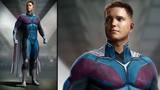
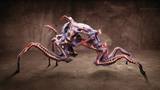
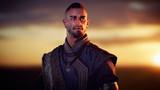
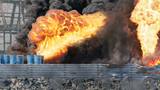
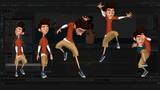


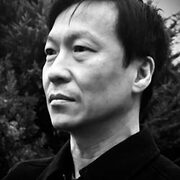




In this advanced animation workshop, Peter Dang walks through his process for animating multiple characters with moving cameras and details how to animate a body slam! From planning and shooting references to spline-blocking (splocking!), creating a straight-ahead animation, creating multiple character physical interactions, and working with moving cameras, Peter’s workshop is a thorough insight to help demystify complex animation shots. Peter also shares his polishing techniques for a clean final result.
This comprehensive 5.5-hour workshop is intended for intermediate to advanced animators who are looking to improve the physicality and action of their animations. Basic experience in Maya is essential, and some experience animating in Maya will be beneficial. As well as sharing the technical processes, Peter also reveals how to observe references and examine angles and relationships to shapes, plus how to animate with feeling and find the right camera movement to work with your animations.
Animating action is very exciting, but clarity is always king! You can expect a lot of motion trails, graph editor cleaning, and tracking in the camera view. By the end of this workshop, you’ll have experienced how complex action animation work can be but will understand how, with the right principles, you can achieve fantastic results.
The rigs used in this workshop are from Pro Rigs and Look Rig .
8 Lessons
This first lesson explains why successful action animation depends on thorough preparation before any animation begins. By understanding the narrative purpose of each shot, carefully planning through visualization and thumbnailing, taking properly scaled reference footage, and setting up Maya scenes with technically efficient controller orientations, animators can learn how to work faster and achieve better results. Peter Dang's methodology prioritizes working smart through proper setup to minimize redundant work during the polish phase, demonstrating that time invested in preparation pays dividends throughout the production process.
Duration: 24m 44s

This lesson demonstrates that effective blocking requires both technical skill and artistic decision-making. While observing reference footage is essential, animators must be able to adapt poses to accommodate character proportions and make choices that enhance the animation's clarity and impact. This process involves constant refinement, such as adjusting timing, spacing, and poses while checking from multiple viewports to ensure proper weight distribution and strong silhouettes. Ultimately, successful blocking clearly communicates an animator's intentions to the production team while establishing solid foundations that will carry through to the final polished animation.
Duration: 59m 4s

This lesson demonstrates how successful action animation blocking requires simultaneously managing multiple interconnected elements while maintaining clear communication of movement and weight. Peter shows how blocking is both the most challenging and rewarding phase, where problems are identified and solved before moving to spline animation. By focusing on strong key poses, proper physics, clear silhouettes, and strategic camera work, animators can learn how to create dynamic action sequences that are ready for director approval and subsequent refinement.
Duration: 1h 7m 2s

This lesson presents a practical solution for mixing animation frame rates in 3D animation production. While the technique successfully eliminates strobing when animating characters on twos with a camera on ones, it requires careful workflow management using specialized tools like AnimBot. Peter's method is particularly useful for blocking and preview stages, while being mindful of potential contact issues that may need additional refinement.
Duration: 9m 28s

Spline animation is a meticulous process of refining blocked animation into smooth, believable motion through careful attention to arcs, spacing, and energy transfer. Peter's workflow reveals constant iteration, tracking of every body part, and extensive use of both viewport observation and graph editor refinement. By treating nearly all motion as variations on ball-bounce physics, offsetting body-part movements, and making deliberate choices about what the audience sees, animators can learn how to transform rough blocking into polished, weighted animation that feels alive and realistic.
Duration: 1h 5m 31s

This lesson demonstrates how successful spline animation for action sequences relies on understanding physics, strategic timing, and visual clarity rather than complex technical tricks. Peter's methodical approach of working in broad passes, constantly checking motion trails and arcs, and prioritizing what the audience needs to see shows that good action animation is about making deliberate choices that serve the shot's storytelling needs. Peter's emphasis on letting work rest between passes to return with a fresh perspective is particularly valuable advice for achieving polished, believable results.
Duration: 51m 9s

Peter explains why it's fundamentally important to always imagine a real cameraman operating your virtual camera, to naturally produce more believable and engaging shots. By limiting camera movement to what is physically possible or practical in live action, varying shot characteristics to create visual rhythm, and adding subtle, realistic touches such as camera shake and handheld movement, animators can learn how to create more professional and immersive action sequences. Peter teaches how to use these techniques to serve the performance rather than overwhelming it with unnecessary camera gymnastics.
Duration: 15m 46s

The polish phase, while it can be repetitive, is an essential final stage where animators elevate their work from "good enough" to truly professional. By checking every arc, eliminating sliding contacts, adding facial life, and refining secondary elements, Peter shows how to transform technically correct animation into believable, engaging character performances. While time-consuming and detail-oriented, his meticulous polish work is what ultimately allows audiences to focus on the story and action without distraction, making it an indispensable part of the animation process.
Duration: 36m 44s

Primary tools
For this workshop you’ll need:

* Note that these programs and materials will not be supplied with the course.
Skills Covered
Who’s this Workshop for?
This workshop is intended for animators who want to tackle complex, action-heavy shots involving multiple characters and dynamic camera movement. It is best suited for intermediate to advanced artists who already understand animation fundamentals and have some hands-on experience working in Maya. Artists focused on action scenes, combat, or physically demanding performances will find the workflow especially relevant.
Character animators working in games, film, or cinematic animation will benefit from the emphasis on clarity, physical interaction, and camera integration. Students and junior animators with solid fundamentals can also gain valuable insight into professional approaches for planning, blocking, and polishing demanding animation shots in a production-style environment.
Learning Outcomes
By completing this workshop, artists will have learned how to:
- Plan complex action shots using reference gathering and motion analysis.
- Block out and structure action animations efficiently using spline-based workflows.
- Animate convincing physical interactions between multiple characters.
- Combine straight-ahead animation techniques with structured blocking for fluid motion.
- Integrate moving cameras that enhance clarity and storytelling rather than distract from the action.
- Refine animations through motion trails, graph editor cleanup, and camera tracking.
- Analyze reference footage to understand spatial relationships, angles, and emotional intent.
- Polish action sequences to achieve clean, readable, production-ready results.


