
 Maya
Maya ZBrush
 Houdini
 Unreal Engine
 Substance Painter
 Blender
 Arnold
 Nuke
Nuke KeyShot
 V-Ray
V-Ray Marmoset Toolbag
 Substance Designer
 Mari
Mari Marvelous Designer
 3ds Max
 3DCoat
 Redshift
 After Effects
 Faceform Wrap
 Lightroom
 OctaneRender
 SpeedTree
 Daz 3D
 Agisoft Metashape
 Fusion
 Modo
Modo RealityCapture
 Gaea
Gaea Cinema 4D
 Gravity Sketch
 Premiere
 Procreate
 Clip Studio Paint
 SketchUp
 SketchBook
 Katana
 Krita
Krita Natron
 Mudbox
 Quixel Bridge
 Quixel Megascans
 Quixel Mixer
 Substance 3D Modeler
 World Creator
 Yeti
Yeti Ziva VFX
 Mixamo
 Adobe Medium
 Quixel DDO
 Meshmixer
 Storyboard Pro
 DaVinci Resolve
 TreeIt
 Gaffer
 Corel Painter
 World Machine
 SynthEyes
 Massive
 Materialize
 Unity
Unity Ornatrix
 PreForm
 Moi 3D
 animBot
 QuickTime
 ReCap
ReCap xNormal















5 Lessons
Ryan Meinerding’s approach to character design prioritizes function over aesthetics, treating every visual choice as a storytelling opportunity in this workshop. Artists learn that effective character design communicates identity and personal growth. The most powerful character designs work on multiple levels, using visual contrast and progression to make narrative themes immediately readable to audiences.
Duration: 32m 22s

Professional character designers translate story beats into visual concepts by identifying important character stages and establishing specific design goals for each phase. Successful character design requires understanding which emotional beats to convey and how the visual journey reflects the story arc. By breaking down characters into distinct stages, Ryan creates a roadmap for developing compelling, marketable visuals that serve the narrative and project tone.
Duration: 18m 16s

Ryan’s painting demonstration illustrates how thoughtful character design combines technical skill with storytelling. Artists learn to establish clear visual features and understand how posture, facial structure, and wrinkle patterns communicate age and personality. This initial character design establishes the crucial starting point for the character's range of change.
Duration: 30m 53s

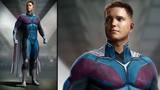
This lesson shows how character design requires thinking beyond a single iconic image to encompass the character's entire journey. By developing multiple versions of Arnold that maintain core visual elements, Ryan creates a visually compelling and narratively meaningful character arc. Careful consideration of costume symbolism, color theory, and design choices demonstrates that effective character design is deeply integrated with storytelling.
Duration: 40m 41s

This last lesson demonstrates that effective costume design acts as a visual representation of character transformation. By using color, silhouette, and detail purposefully, artists create costumes that communicate story beats without dialogue. Ryan encourages artists to always start with character problems, flaws, and personal journeys rather than just powers or designs.
Duration: 21m 14s

Primary tools
For this workshop you’ll need:

* Note that these programs and materials will not be supplied with the course.
Skills Covered
Who’s this Workshop for?
This workshop is designed for intermediate to advanced concept artists, character designers, and visual development artists working in the entertainment industry. It's particularly valuable for professionals in film, animation, and gaming who want to strengthen their character design approach.
Illustrators, storyboard artists, and aspiring entertainment designers will also benefit from Ryan Meinerding’s industry insights. Students and self-taught artists looking to understand professional character design workflows and storytelling principles will gain an invaluable perspective on creating characters that serve the overall narrative.
Learning Outcomes
By completing this workshop, artists will have developed a comprehensive understanding of narrative-driven character design principles and professional industry workflows.
Key skills include:
- How to create iconic and memorable characters that effectively support the story’s narrative.
- How to establish a sense of grounded reality and believable character foundations in design work.
- How to frame characters through values that guide audience perception and judgment.
- How to balance visual design elements with true character development and storytelling needs.
- How to design character transformation arcs showing a complete range of narrative change.
- How to use professional workflows for efficient character development processes.
- How to make informed design decisions through reference gathering and exploration techniques.


